Vermiculite
Vermiculite`s Roles in the Hydroponic Medium World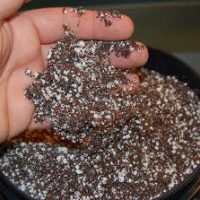
 Vermiculite is one of the main ingredients in growing medium used for media-based hydroponic gardens. It is a natural, non-toxic material that is very porous.
Vermiculite is usually never used alone. The reason why is because it breaks down after a year or so and as a result could
cause clogging and stagnation.
However, when mixed with other materials, such as perlite) or clay five to one mixture (five parts of the other material, and one part vermiculite) is very successful in helping plants to grow.

Perlite, one other ingredient that is often mixed with vermiculite is an amorphous volcanic glass. This material is known for its relatively high water content. This material as well as the vermiculite expands when heated. The breakdown analysis of perlite is that it contains
small amounts of magnesium oxide, calcium oxide, as well as potassium oxide.
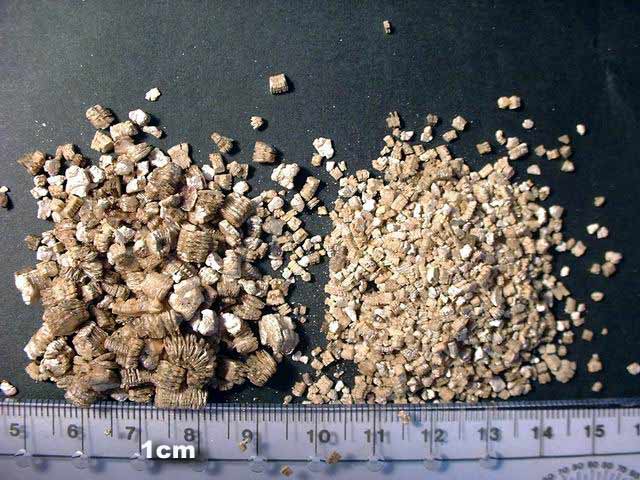
The growing medium of vermiculite and perlite are very common materials used in many hobby and commercial gardens. Water and nutrient solution is often sent to vermiculite and other growing materials, and is absorbed in the medium. Then, in the case of an emergency power outage (if the hydroponic system used involves the use of electricity) plants can survive temporarily on the stored water.
Hydroponic
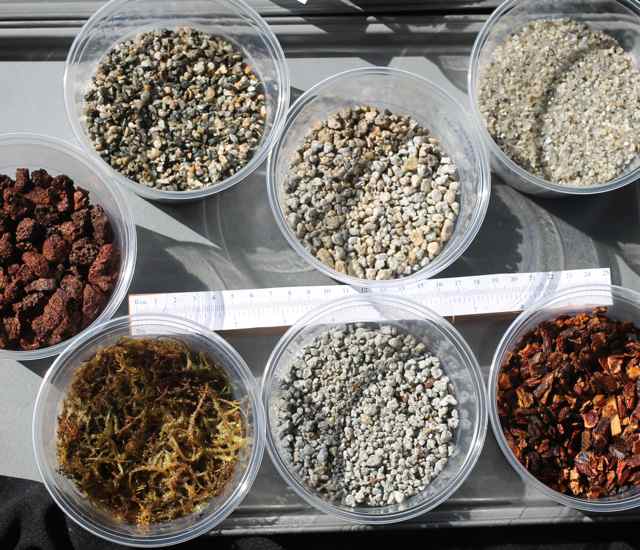
planting usually does not involve the use of soil. These materials described above would be some of the closest to soil that users would come. Other growing mediums have been used for hydroponic gardening as well, such as peat moss, expanded clay, rockwool, coco coir (compressed coconut husk), and rockwool.
The nutrient solutions that are used in growing mediums for hydroponic gardening include nutrients such as calcium, magnesium, and potassium. In addition, nitrates (or nitrogen) sulfate (or sulfur), and phosphate (or phosphorous) are often used.
In addition, minerals such as manganese, iron, copper, zinc, boron, chlorine and nickel are used for growing plants as well. Chelating agents are also used to help keep the iron soluble.
Those who are planting, whether it is using vermiculite or another growing medium, need to be careful that they do not add too many nutrients to the hydroponics system.
If the plants are fed too much they could burn out and dry out, instead of absorbing water like they should.
This is very important to remember, and growing mediums such as vermiculite can help keep your plants moist.
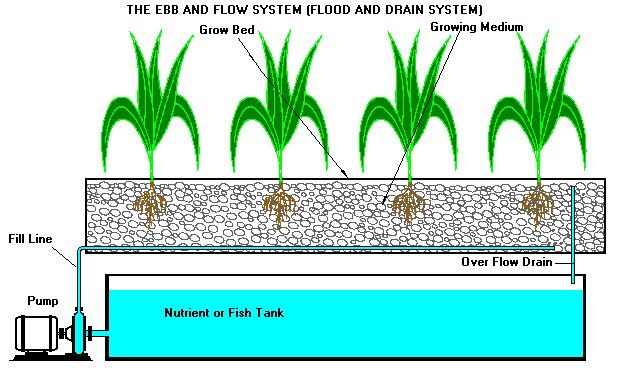
If you want to keep your plants properly fed, there are different types of irrigation systems that can be set to feed them automatically. Many of these involve the use of pumps or misters, which help keep your plant drinking the adequate amount of water, while at the same time helping the plants retain what they need to continue to grow.
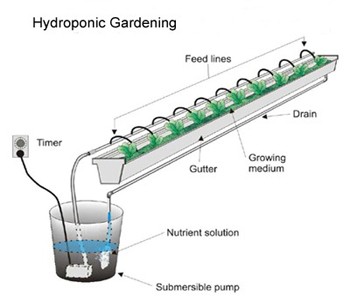 In addition, there are some simple passive methods that do not require the use of any fancy electrical gadgets, but just discipline. These involve the types of irrigation, which usually involves the act of a plant soaking in water and nutrients directly through the roots of plants, instead of being fed through an automated system.
More and more hobby gardeners and commercial farmers are turning to the use of the
hydroponic growing method. It is known to cost more up front but it also produces more as well. This growing method has other advantages as well.
One major advantage of hydroponics is that no pesticides are necessary when growing plants using this method. This helps make the garden safer for children as well as whole families. Some have claimed that the vegetables, fruits, and other foods grown also taste better as well.

 Some of the types of crops grown using the hydroponic method include strawberries, lettuces, tomatoes, herbs, essential oil plants, and medicinal plants. Other vegetables such as cucumbers have sometimes been grown with this method.